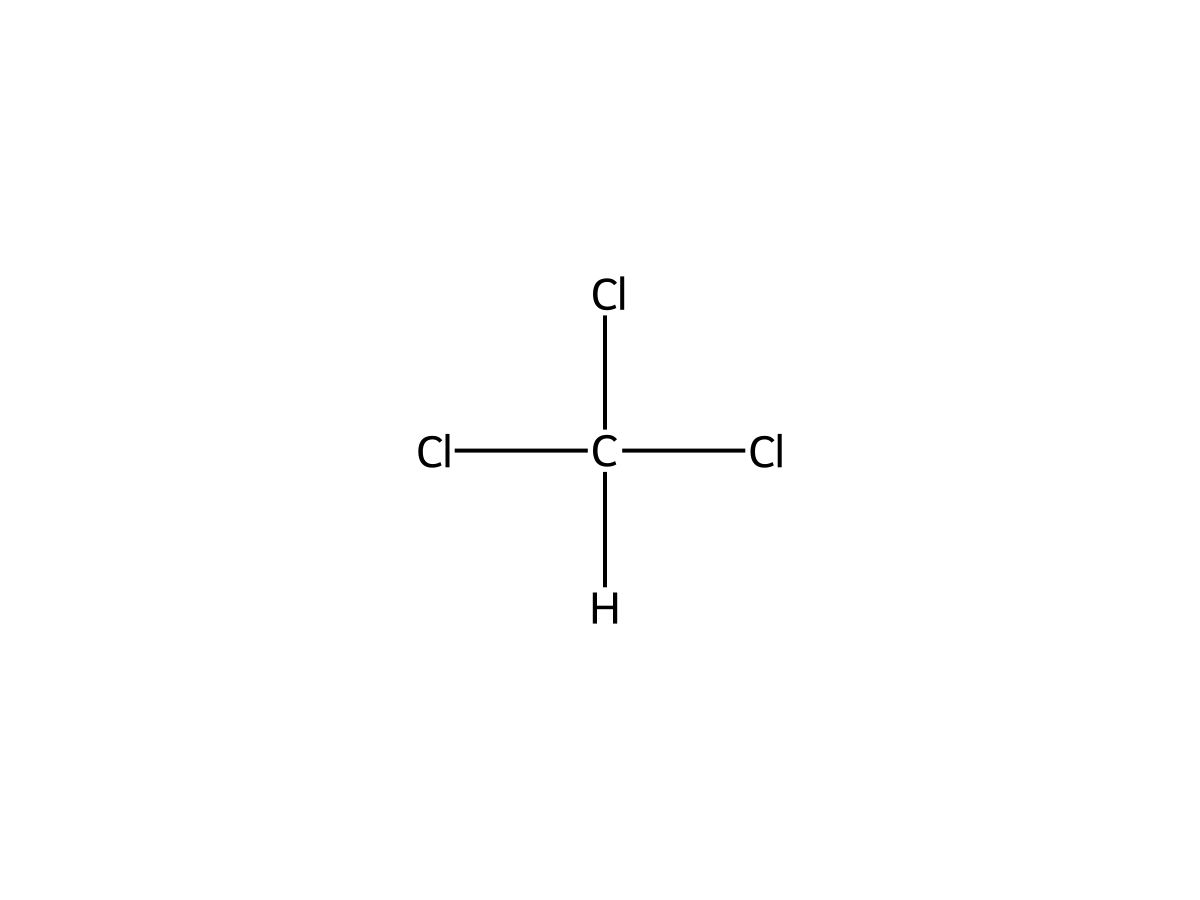
Chemical Properties
Chloroform is denser than water and, when present as a separate liquid phase, is classified as a Dense Non-Aqueous Phase Liquid (DNAPL).
| Property |
Value |
| Chemical Name |
Trichloromethane |
| Common Name |
Chloroform |
| Chemical Formula |
CHCl₃ |
| CAS Number |
67-66-3 |
| Molecular Weight |
119.38 g/mol |
| Density |
Approximately 1.48 g/cm³ |
| Solubility in Water |
Approximately 8,000 mg/L at 20–25°C |
Because chloroform is denser than water and moderately soluble, releases can create both DNAPL source zones and dissolved groundwater plumes.
Common Sources of Chloroform
Chloroform may be present due to:
- Historical industrial solvent use
- Chemical manufacturing operations
- Production of refrigerants and fluorinated chemicals
- Hazardous waste disposal
- Laboratory and pharmaceutical operations
- Releases from storage tanks, piping, or process equipment
- Degradation of more highly chlorinated compounds
- Formation as a drinking-water or wastewater disinfection byproduct
At contaminated sites, chloroform may occur alongside carbon tetrachloride, dichloromethane, chloromethane, and other chlorinated volatile organic compounds.
Environmental Concerns
Chloroform is of environmental concern because it is volatile, mobile in groundwater, and can persist under some subsurface conditions.
It may also form as a daughter product during the anaerobic degradation of carbon tetrachloride. Under reducing conditions, carbon tetrachloride can be sequentially dechlorinated to chloroform and then potentially to dichloromethane, chloromethane, and ultimately less chlorinated end products.
Because chloroform itself is regulated and can be toxic, incomplete degradation of carbon tetrachloride may result in accumulation of chloroform within a groundwater plume.
Biodegradation of chloroform can occur under anaerobic conditions, although the rate and extent are highly dependent on site-specific microbial populations, redox conditions, electron donor availability, and competing contaminants.
Behavior in Soil and Groundwater
Chloroform contamination may exist as:
- Separate-phase DNAPL
- Dissolved contamination in groundwater
- Sorbed contamination associated with soil and aquifer materials
- Vapor-phase contamination within the vadose zone
Because pure chloroform is denser than water, significant releases may migrate downward through permeable soil and aquifer materials until they encounter lower-permeability layers or other geologic barriers.
Dissolved chloroform can migrate with groundwater and form plumes extending beyond the original source area.
Chloroform is also highly volatile and may partition readily from contaminated soil or groundwater into soil gas. Vapor intrusion can therefore be an important consideration where chloroform contamination occurs beneath or near occupied buildings.
Human Health Effects
Exposure to elevated concentrations of chloroform may affect the:
- Liver
- Kidneys
- Central nervous system
- Respiratory system
Short-term exposure to high concentrations may cause dizziness, headache, fatigue, nausea, and central nervous system depression.
Long-term or repeated exposure may damage the liver and kidneys. Chloroform has also been associated with increased cancer risk based primarily on laboratory animal studies.
Because chloroform can be present in groundwater, soil gas, and indoor air, potential exposure pathways may include ingestion, inhalation, and dermal contact.
Regulatory Standards
Regulatory criteria vary by jurisdiction. Chloroform does not have an individual federal Maximum Contaminant Level (MCL) under the United States Environmental Protection Agency drinking-water regulations.
Instead, chloroform is regulated as one of the four compounds included in Total Trihalomethanes (TTHMs). EPA has established an MCL for total trihalomethanes of 0.080 mg/L (80 µg/L) in drinking water.
The TTHM group includes:
- Chloroform
- Bromodichloromethane
- Dibromochloromethane
- Bromoform
Many states also have groundwater, soil, soil gas, vapor intrusion, and risk-based screening criteria specifically for chloroform.